Microbiome Diversity: Why It Matters for Mental Health (and How to Build It, Gently)
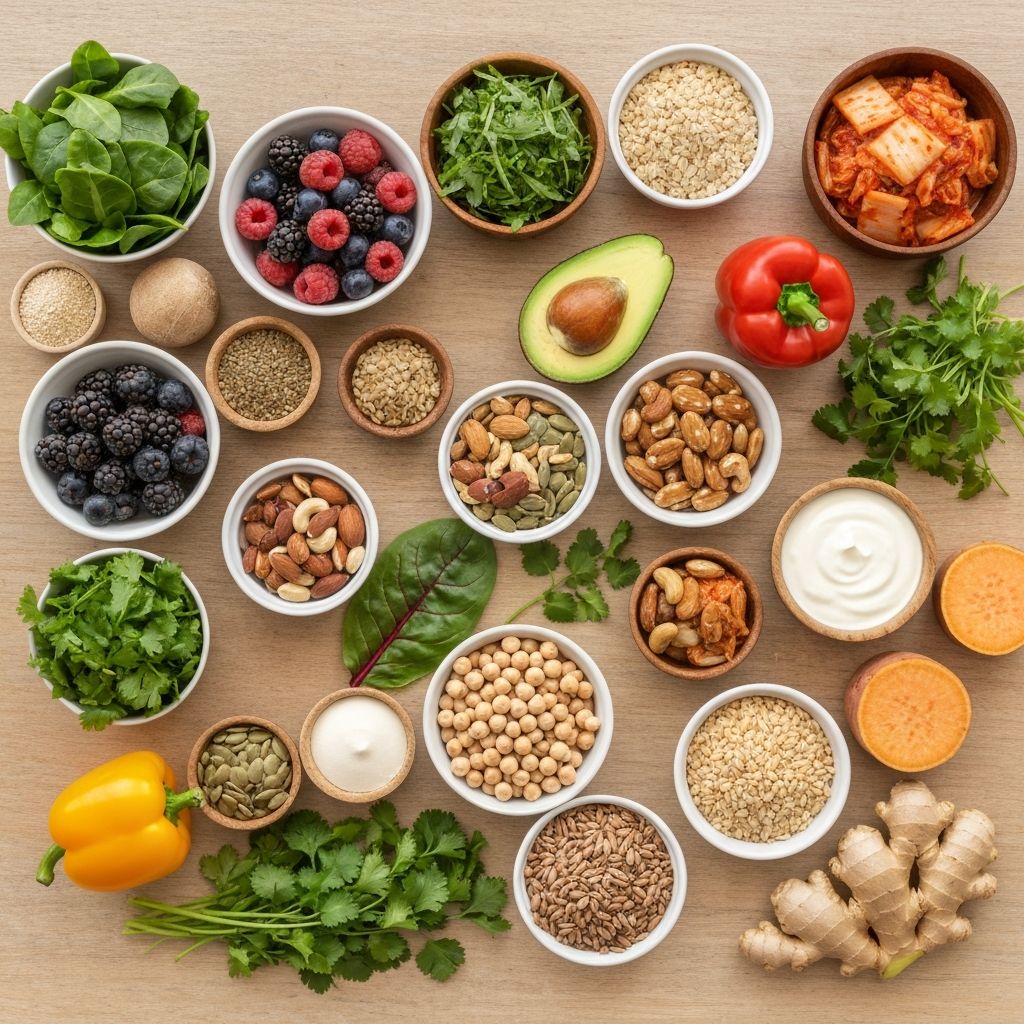
Over the past decade, a quiet shift has taken place in how we understand mental health. What was once framed almost entirely as a brain-based issue is now increasingly recognised as something shaped by systems beyond the brain itself.
Researchers such as John Cryan and Tim Spector have helped bring a specific idea into public consciousness: mental health is deeply influenced by the diversity of microbes living in the gut.
Key finding: People with greater microbiome diversity tend to experience more stable energy, better tolerance to everyday stressors, and a more "buffered" nervous system that returns to calm more easily after challenge.
These are not dramatic, overnight transformations. They are subtle, cumulative shifts in how daily life feels: fewer spikes, faster recovery, and more room to respond rather than react.
This article explores why microbiome diversity matters for mental health and how to support it in ways that are realistic, low-effort, and compatible with everyday life.
Why Diversity Matters: The "Buffered" Brain
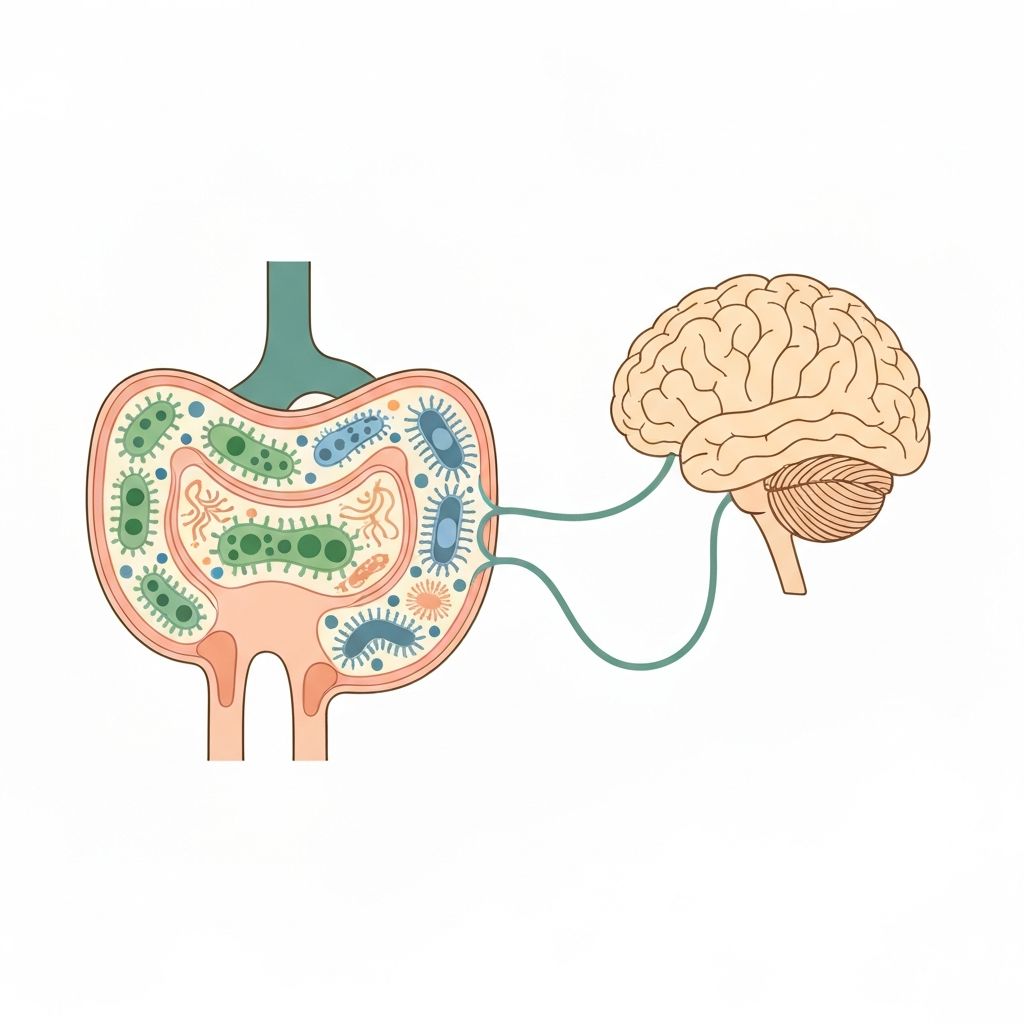
The gut and brain are in constant communication through multiple pathways, including neural routes such as the vagus nerve, immune signalling, and microbial metabolites.
Rather than directly controlling emotions, gut microbes shape the background environment in which the nervous system operates.
Low Diversity Environment
Inflammation higher, gut barrier less stable, immune signalling easily activated. Minor stressors feel disproportionately overwhelming.
High Diversity Environment
Background noise is quieter. Short-chain fatty acids regulate inflammation. The system has more buffering capacity to absorb stress.
A diverse gut does not make someone happier by default. It makes the nervous system harder to rattle.
These changes will not transform life overnight, but over weeks, they often reduce how often the nervous system operates at its edge.
The Low-Friction Approach to Change
Supporting microbiome diversity does not require expensive detoxes, supplements, or a complete lifestyle overhaul. It is about exposure and variety, not restriction or perfection.
Below are practical ways to build diversity without adding stress, cost, or complexity.
1. Aim for Plant Variety (The "30-Point" Game)
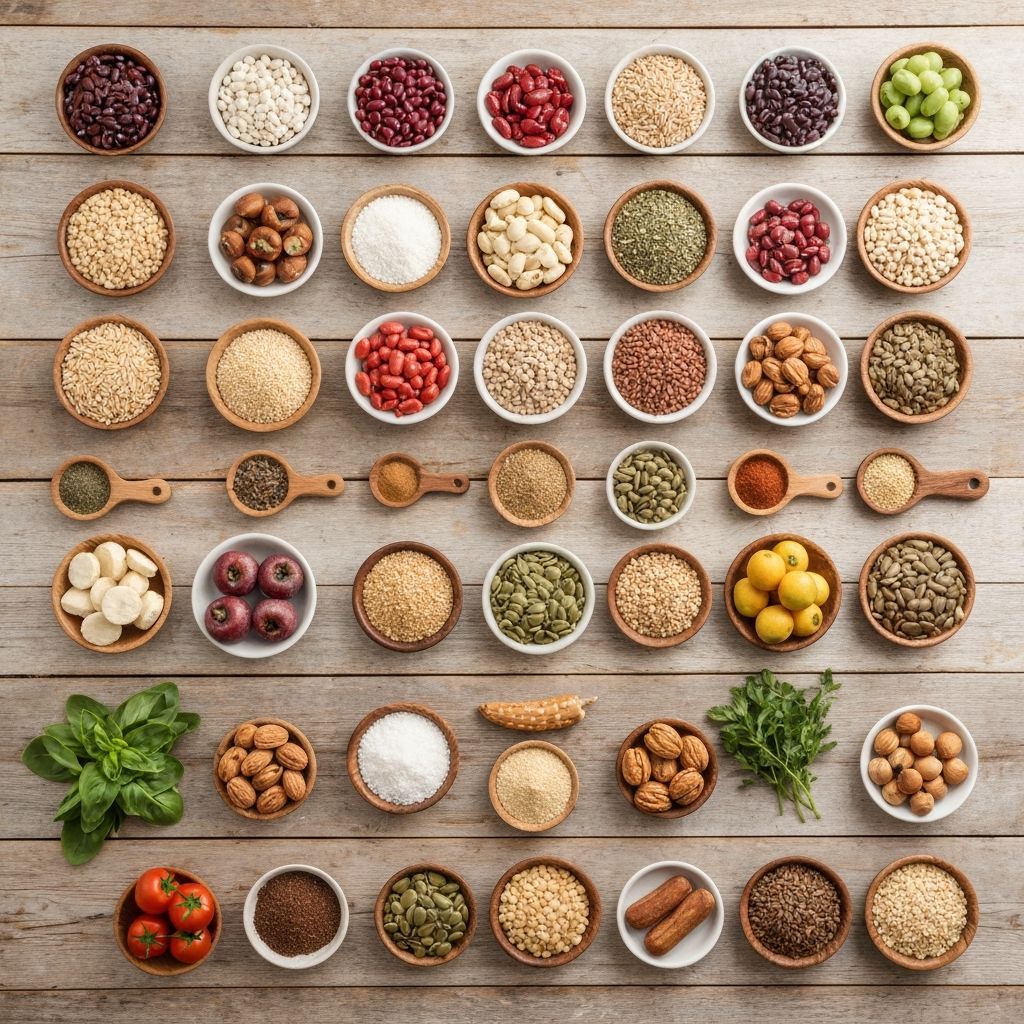
A widely used benchmark in microbiome research is aiming for around 30 different plant foods per week. This can sound daunting until you realise it is about range, not volume.
| Category | Examples | Quick Wins |
|---|---|---|
| Vegetables | Spinach, peppers, broccoli, carrots | Add frozen mixed veg to any dish |
| Fruits | Berries, apples, bananas, mango | Frozen berries in yogurt or oats |
| Legumes | Lentils, chickpeas, black beans | Four-bean mix = 4 plants in one go |
| Whole Grains | Oats, brown rice, quinoa, barley | Alternate your usual grain each week |
| Nuts & Seeds | Walnuts, almonds, chia, flax, sunflower | A jar of mixed seeds = 3-4 plants |
| Herbs & Spices | Parsley, turmeric, ginger, cinnamon | Each herb/spice counts as one plant |
2. Rotate Your "Safe" Meals
Many people eat the same meals repeatedly because they are familiar and reliable. From a microbiome perspective, repetition limits exposure.
You do not need new recipes. Small substitutions are enough. If you usually buy green apples, try red ones. If white rice is your default, alternate with brown rice or quinoa. These swaps introduce new substrates for different microbes without disrupting habits.
3. Use Your Freezer and Pantry
Cost and food waste are common barriers to dietary variety.
4. Feed the Microbes First
Fibre is the primary fuel source for beneficial gut microbes. If fibre intake has been low, increase it gradually to avoid bloating.
Lentils in Pasta Sauce
Stir half a tin of lentils into a pasta sauce for added fibre without changing the flavour.
Chia Seeds in Cereal
A tablespoon of chia seeds added to cereal or smoothies introduces gentle prebiotic fibre.
5. Stress Regulation is Gut Regulation
The microbiome responds not only to what we eat, but to how we live.
What About Probiotics?
At this point, many people wonder whether supplements can do the heavy lifting.
Important to know: Probiotics can be useful in specific situations, such as after antibiotic use. However, most strains do not permanently colonise the gut. They are best understood as temporary support, not ecosystem builders. Dietary diversity remains the foundation.

How Progress Often Shows Up
You do not need expensive testing to notice change. Signs of increasing microbiome diversity are usually quiet:
Better Digestion
More regular digestion and less bloating as the gut ecosystem stabilises.
Steadier Energy
Fewer mid-afternoon crashes and more consistent energy throughout the day.
Greater Stress Resilience
A sense that small stressors do not "hit" as hard as they used to.
These shifts tend to be gradual rather than dramatic.
A FuelMind Perspective
Microbiome diversity is not about control. It is about flexibility.
Each new plant, each rotated meal, and each moment of rest adds information to the system. Over time, that information builds resilience.
Mental health does not live in the brain alone. It emerges from how the body is fed, supported, and allowed to adapt.
FuelMind exists to make these invisible connections visible, so everyday food choices can become quiet allies in mental wellbeing. Have something in mind to share? Connect with us at the button below!
References
Cryan, J. F., & Dinan, T. G. (2012). Mind-altering microorganisms: The impact of the gut microbiota on brain and behaviour. Nature Reviews Neuroscience, 13(10), 701-712.
Dinan, T. G., Stanton, C., & Cryan, J. F. (2013). Psychobiotics: A novel class of psychotropic. Biological Psychiatry, 74(10), 720-726.
Le Chatelier, E., Nielsen, T., Qin, J., et al. (2013). Richness of human gut microbiome correlates with metabolic markers. Nature, 500(7464), 541-546.
Sonnenburg, E. D., & Sonnenburg, J. L. (2014). Starving our microbial self: The deleterious consequences of a diet deficient in microbiota-accessible carbohydrates. Cell Metabolism, 20(5), 779-786.
Spector, T. (2022). Food for life: The new science of eating well. Jonathan Cape.
Tillisch, K., Labus, J., Kilpatrick, L., et al. (2013). Consumption of fermented milk product with probiotic modulates brain activity. Gastroenterology, 144(7), 1394-1401.