Oxidative Stress: What It Is, Why It Messes With Your Mental Health, and How Food Helps You Fight Back
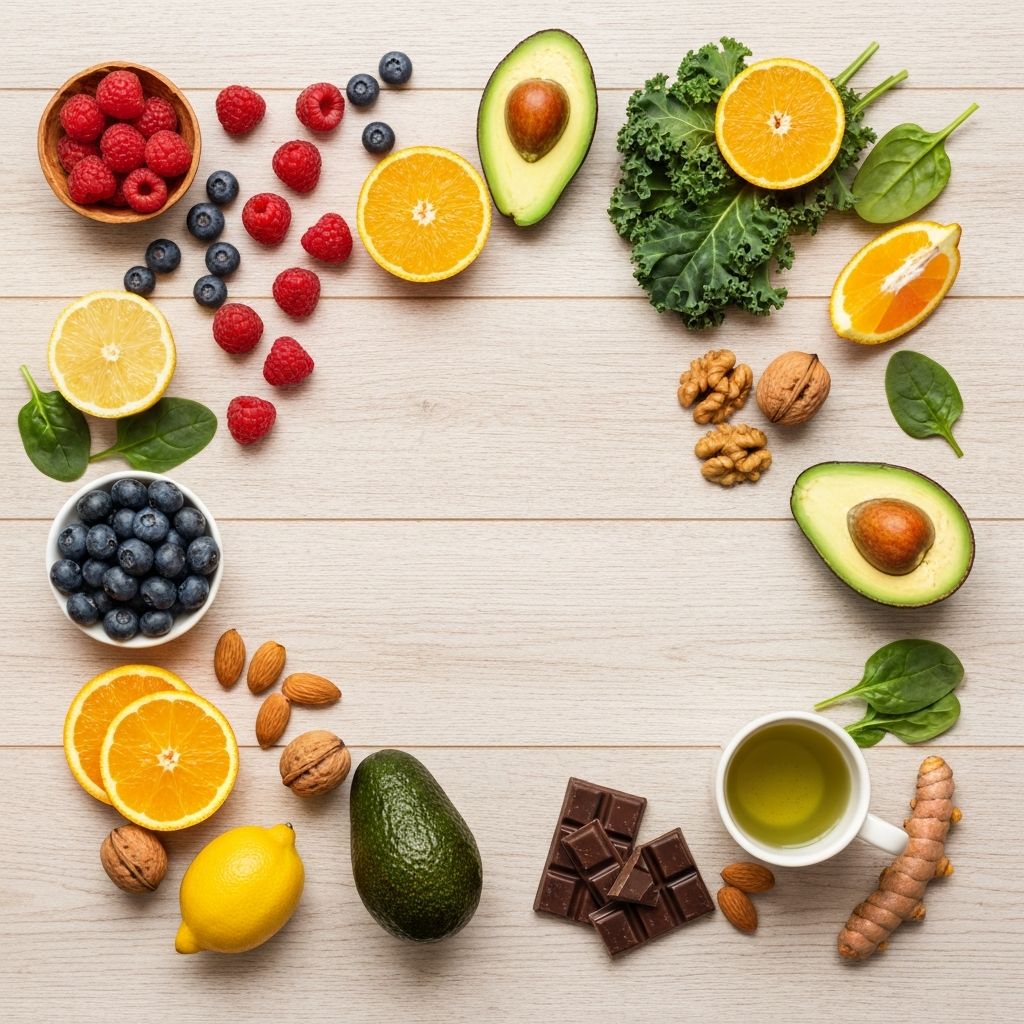
Modern life is basically a speed-run of tiny stressors. Late nights, processed food, constant notifications, pollution, intense training sessions, and the emotional load of being a functioning human all chip away at your system in the background. Together, they increase something called oxidative stress.
Oxidative stress quietly influences how tired you feel, how sharp your thinking is, and how well your brain regulates mood, stress, and motivation.
And while the name sounds like a Marvel villain, oxidative stress is not dramatic at first. It is sneaky. It quietly influences how tired you feel, how sharp your thinking is, and how well your brain regulates mood, stress, and motivation.
This article breaks down what oxidative stress actually is, how it affects mental health, how it builds up in the first place, and what you can do today to keep it in check, especially through everyday food choices.
What Exactly Is Oxidative Stress?
Think of your cells as tiny, busy kitchens. They are constantly "cooking" energy. During that process, they naturally produce reactive molecules known as free radicals.
At low and controlled levels, these reactive oxygen species play useful roles in cellular signalling, immune defence, and adaptation to stress. Your body normally keeps them in balance using antioxidants, essentially the cleanup and regulation crew.
Key insight: Oxidative stress occurs when free radical production overwhelms the body's antioxidant systems. When this balance tips, damage begins to accumulate in cell membranes, proteins, DNA, and even the mitochondria.
This is not theoretical. Oxidative stress is linked to aging, chronic inflammation, metabolic dysfunction, and what we at FuelMind especially care about: mental health conditions such as depression and anxiety.
Why Oxidative Stress Hits Mental Health So Hard
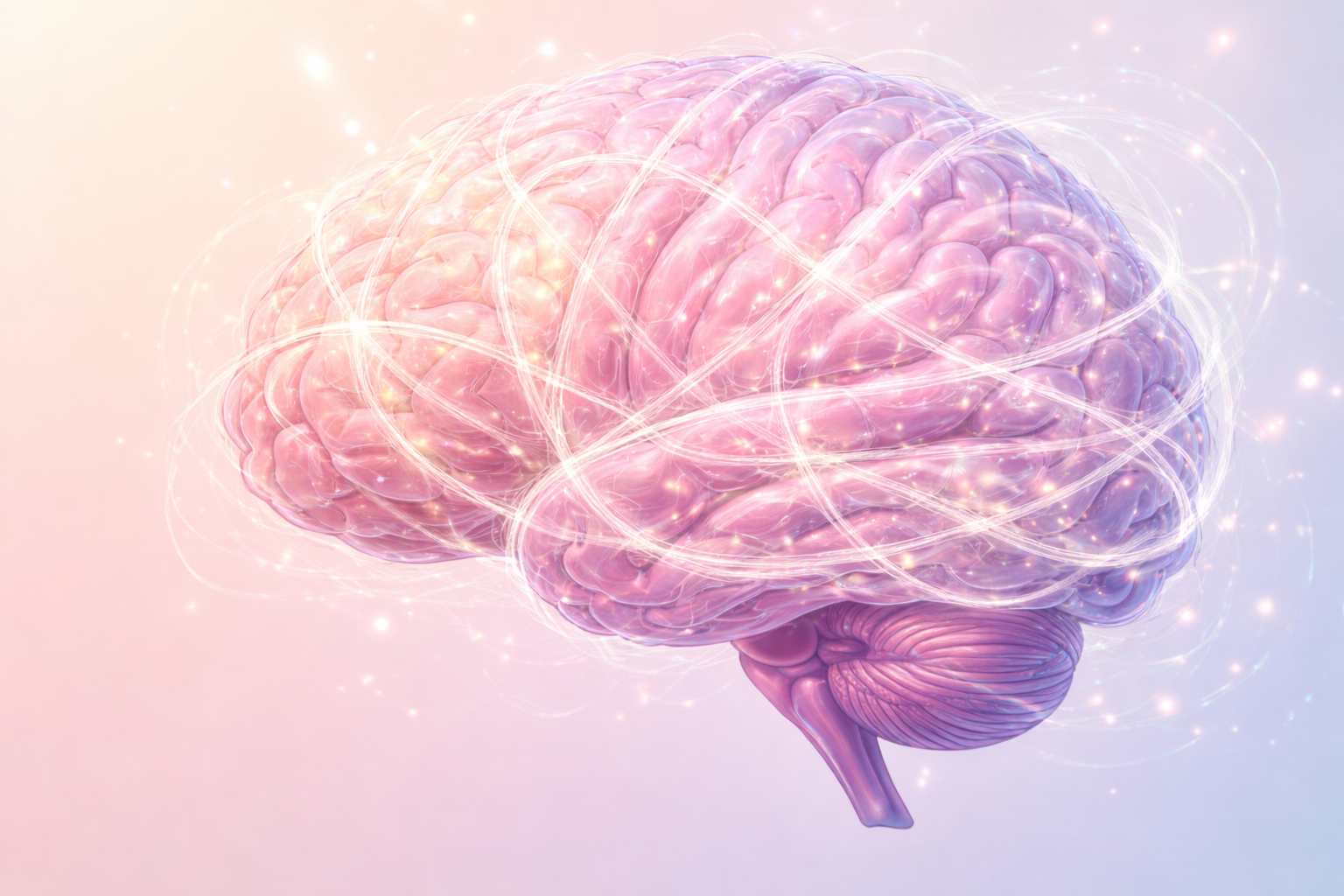
The brain is metabolically demanding. It uses roughly 20 percent of the body's oxygen while accounting for only about 2 percent of body weight. This high oxygen use, combined with its lipid-rich structure, makes it particularly vulnerable to oxidative damage.
Here is how oxidative stress affects mental health:
Disrupts Neurotransmitters
Interferes with serotonin, dopamine, and GABA synthesis, affecting mood and motivation.
Amplifies Neuroinflammation
Creates a cycle where oxidative stress and inflammation reinforce each other.
Affects the Hippocampus
Impairs memory, emotional regulation, and stress resilience.
Disrupts Gut-Brain Axis
Alters microbiome diversity and intestinal barrier integrity.
Importantly, research suggests that oxidative stress and mental health difficulties are bidirectionally linked. Oxidative stress may contribute to the development of symptoms, while chronic psychological stress and mood disorders may further increase oxidative burden.
Where Does Oxidative Stress Come From?
Oxidative stress is not inherently harmful. Exercise, for example, produces free radicals, and this controlled stress signals the body to adapt and strengthen its antioxidant defences.
Problems arise when oxidative stress becomes chronic, excessive, and insufficiently balanced by recovery.
Major contributors include:
Over time, this pattern contributes to exhaustion, irritability, low mood, and reduced cognitive performance.
How Food Helps Protect You
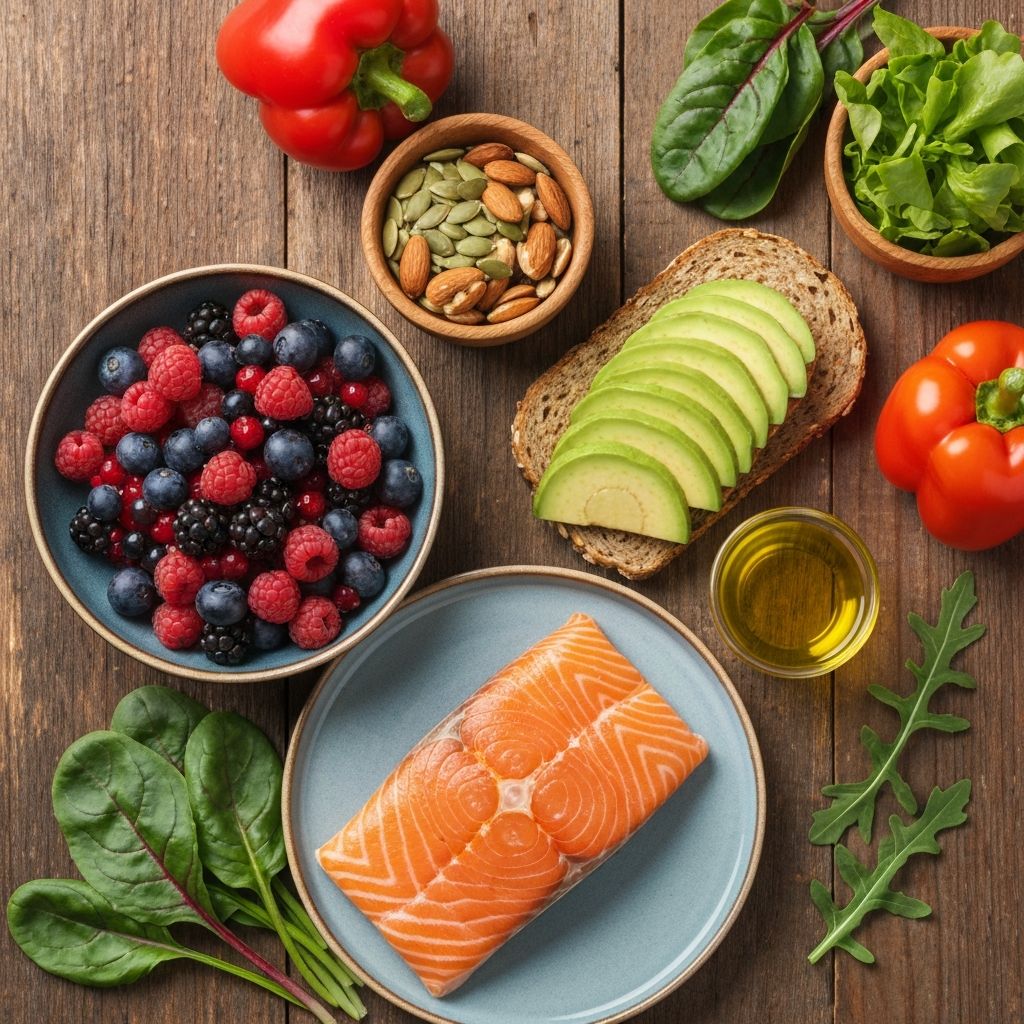
The body is not passive in the face of oxidative stress. It has a built-in antioxidant defence system, but that system depends on nutrients supplied through food.
Antioxidant benefits are strongest when obtained through whole foods rather than high-dose supplements.
Key Dietary Antioxidants
Antioxidants help neutralise excess reactive molecules before they cause damage.
| Nutrient | Food Sources | Benefits |
|---|---|---|
| Vitamin C | Berries, citrus fruits, peppers | Neutralises free radicals, supports immune function |
| Vitamin E | Avocado, nuts, seeds | Protects cell membranes from oxidative damage |
| Polyphenols | Tea, matcha, dark chocolate, coloured plants | Reduces inflammation, supports brain health |
| Carotenoids | Sweet potato, spinach, pumpkin, mango | Protects against cellular damage, supports vision |
| Omega-3s | Salmon, sardines, chia seeds, walnuts | Reduces inflammation, supports neuronal membranes |
| Zinc & Selenium | Shellfish, eggs, Brazil nuts, whole grains | Essential for antioxidant enzyme systems |
Importantly, research suggests antioxidant benefits are strongest when obtained through whole foods rather than high-dose supplements. Excessive antioxidant supplementation may blunt beneficial adaptive processes, particularly those related to exercise and metabolic resilience.
For a deeper understanding of how omega-3s support both physical and mental wellbeing, read Fats, Health, and the Brain: A Clear, Honest Guide to Understanding Dietary Fat.

How to Include Protective Ingredients in Everyday Life
Protective nutrition does not require supplements or complicated meal plans. It comes from repeatedly incorporating supportive ingredients into meals you already enjoy.
Yogurt Bowl with Seeds and Fruit
Greek yogurt topped with chia/flax seeds and banana or papaya. Supports gut health and provides omega-3s.
Sardine Toast or Rice Bowl
Canned sardines with whole-grain toast or rice. Provides omega-3s and selenium for energy stability.
Dark Chocolate with Nuts
1-2 squares of dark chocolate with walnuts or almonds. Polyphenols and vitamin E work together.
Daily Habits That Lower Oxidative Stress Beyond Food
Nutrition works best alongside recovery-supportive habits:
Final Word: Oxidative Stress Is Not Something to Fear
The bottom line: Oxidative stress shows up in everyday life. It affects how you feel when you wake up, how reactive you are under stress, how focused you feel during the day, and how emotionally steady you feel over time.
FuelMind exists to make these invisible processes visible, so daily food choices become practical tools for supporting mental wellbeing rather than abstract advice. Connect with us at the button below for more conversations on nutrition for mental health.
References
Berk, M., Ng, F., Dean, O., & Dodd, S. (2008). Oxidative stress in psychiatric disorders: Evidence base and therapeutic implications. International Journal of Neuropsychopharmacology, 11(6), 851-876.
Gomez-Cabrera, M. C., Domenech, E., & Vina, J. (2008). Moderate exercise is an antioxidant: Upregulation of antioxidant genes by training. Free Radical Biology and Medicine, 44(2), 126-131.
Joseph, J. A., Shukitt-Hale, B., & Casadesus, G. (2005). Reversing the deleterious effects of aging on neuronal communication and behavior: Beneficial properties of fruit polyphenolic compounds. The American Journal of Clinical Nutrition, 81(1), 313S-316S.
Liu, T., Zhong, S., Liao, X., Chen, J., He, T., Lai, S., & Jia, Y. (2015). A meta-analysis of oxidative stress markers in depression. PLoS ONE, 10(10), e0138904.
Ng, F., Berk, M., Dean, O., & Bush, A. I. (2008). Oxidative stress in psychiatric disorders: Clinical implications. International Journal of Neuropsychopharmacology, 11(6), 851-876.
Pratico, D. (2008). Oxidative stress and neurodegeneration: What do we know so far? The American Journal of Managed Care, 14(Suppl. 11), S18-S23.
Sies, H., & Jones, D. P. (2020). Reactive oxygen species as pleiotropic physiological signalling agents. Nature Reviews Molecular Cell Biology, 21(7), 363-383.
Valko, M., Leibfritz, D., Moncol, J., Cronin, M. T., Mazur, M., & Telser, J. (2007). Free radicals and antioxidants in normal physiological functions and human disease. The International Journal of Biochemistry & Cell Biology, 39(1), 44-84.